Health and Blood Donation Camp Held at Kabala Padavu, Pajeer
Health and Blood Donation Camp Held at Kabala Padavu, Pajeer
Date :
September 1, 2026
Time :
9:00 am - 2:00 pm
SeaMC2, in collaboration with Blueline India Foods Pvt. Ltd., Mangaluru, and Father Muller’s Charitable Trust, organised a Health and Blood Donation Camp at Kabala Padavu, Pajeer, Mangaluru, on 1 September 2026. The camp was organised with the objective of bringing essential healthcare services closer to the rural community and creating awareness about the importance of regular health check-ups and voluntary blood donation.
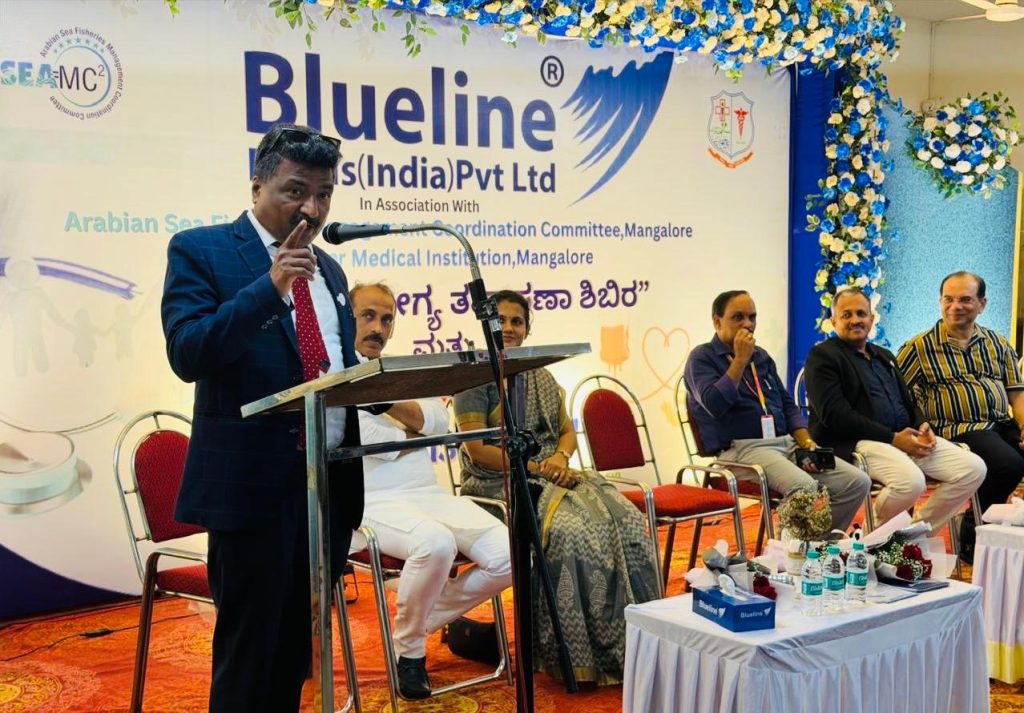
The programme was formally inaugurated by Dr. H. R. Thimmaiah, District Medical Officer, Dakshina Kannada. Dr. Shivakumar Magada, Director General, SeaMC2, and Mr. Ramesh M. R., Chairman, SeaMC2, graced the occasion as guests. Mr. Shawkath Showry, Managing Director, Blueline India Foods Pvt. Ltd., presided over the programme. The presence of medical professionals, community representatives and organisers reflected the collective commitment towards improving the health and well-being of the local population.
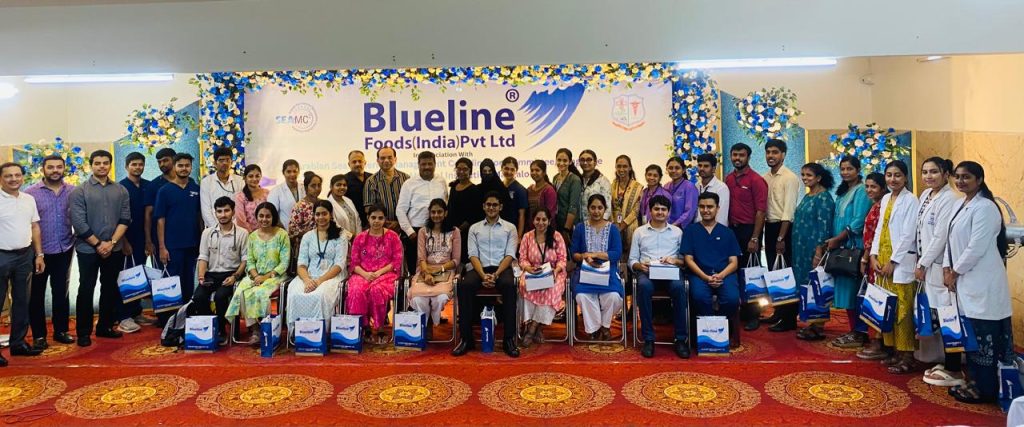
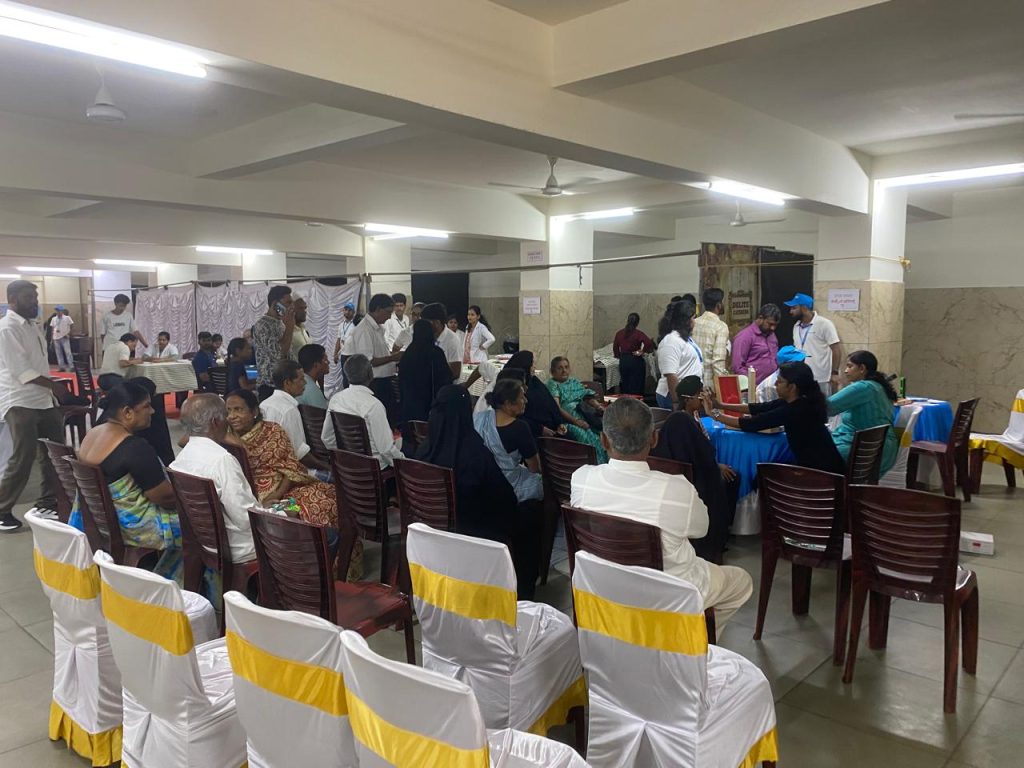
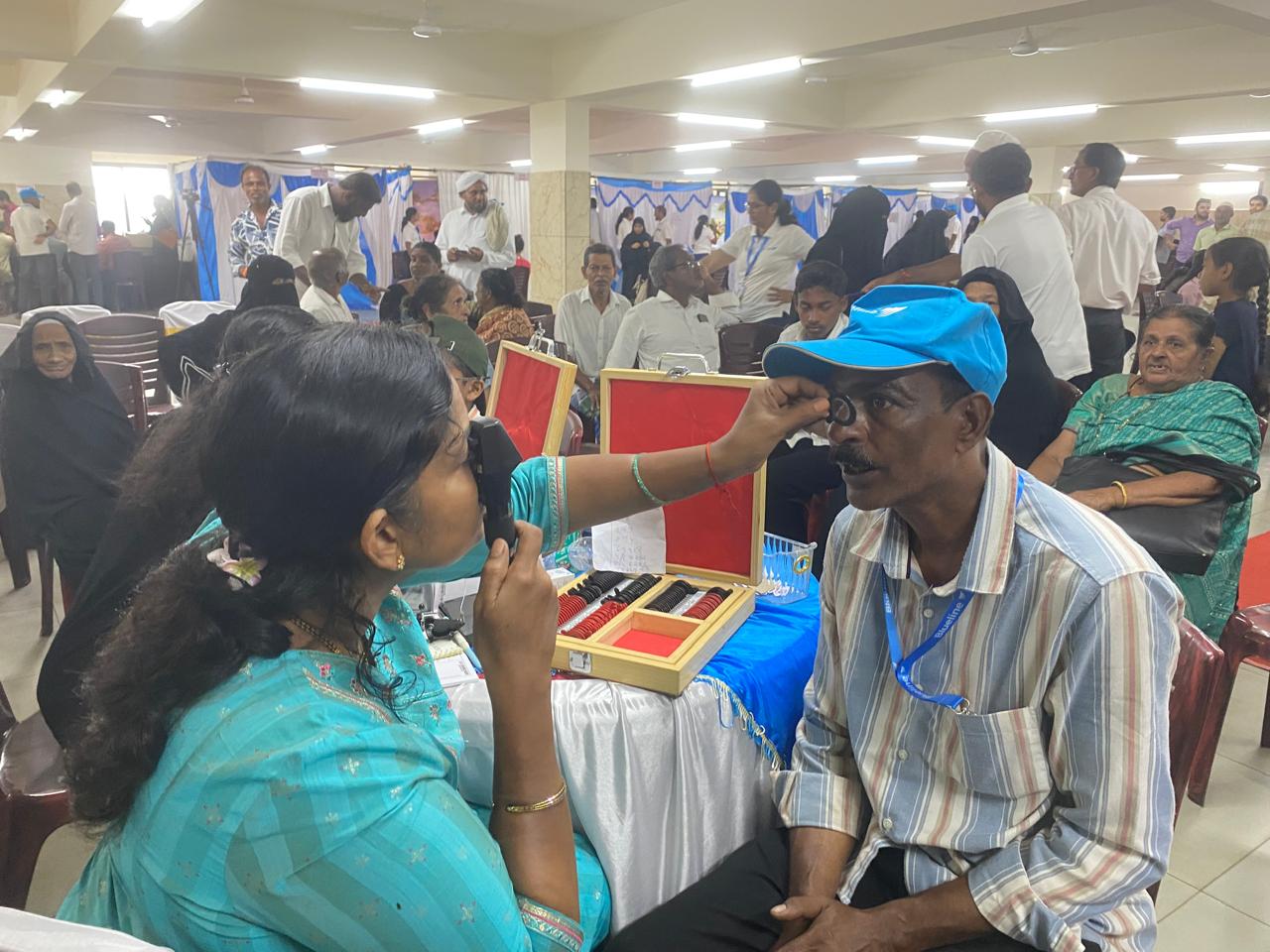
A team of more than 36 doctors and healthcare professionals participated in the camp, offering specialised consultations across several disciplines, including dermatology, orthopaedics, gynaecology, speech and hearing, dentistry, general medicine and ophthalmology. The multidisciplinary nature of the camp enabled beneficiaries to access a wide range of medical services under one roof, particularly benefiting those who may otherwise face difficulties in reaching specialised healthcare facilities.
In addition to medical consultations, free medicines and spectacles were distributed to eligible beneficiaries. The camp witnessed an encouraging response from the community, with more than 350 beneficiaries availing themselves of the various healthcare services. The event also included a voluntary blood donation drive, through which 42 individuals donated blood, contributing to the availability of this vital resource for patients in need.
The successful conduct of the camp demonstrated the importance of collaboration between industry, NGO, healthcare institutions and the community in addressing local healthcare needs. The initiative not only provided immediate medical assistance to hundreds of people but also promoted a culture of preventive healthcare and voluntary blood donation. It was a meaningful example of how coordinated community-oriented initiatives can make healthcare more accessible while strengthening the spirit of social responsibility and service to society.